SIZE AND FIT GUIDE
Finding eyewear that actually fits shouldn't be guesswork. This guide breaks it down using three simple measurements, so you can shop with confidence.
WHAT IS FRAME SIZE?
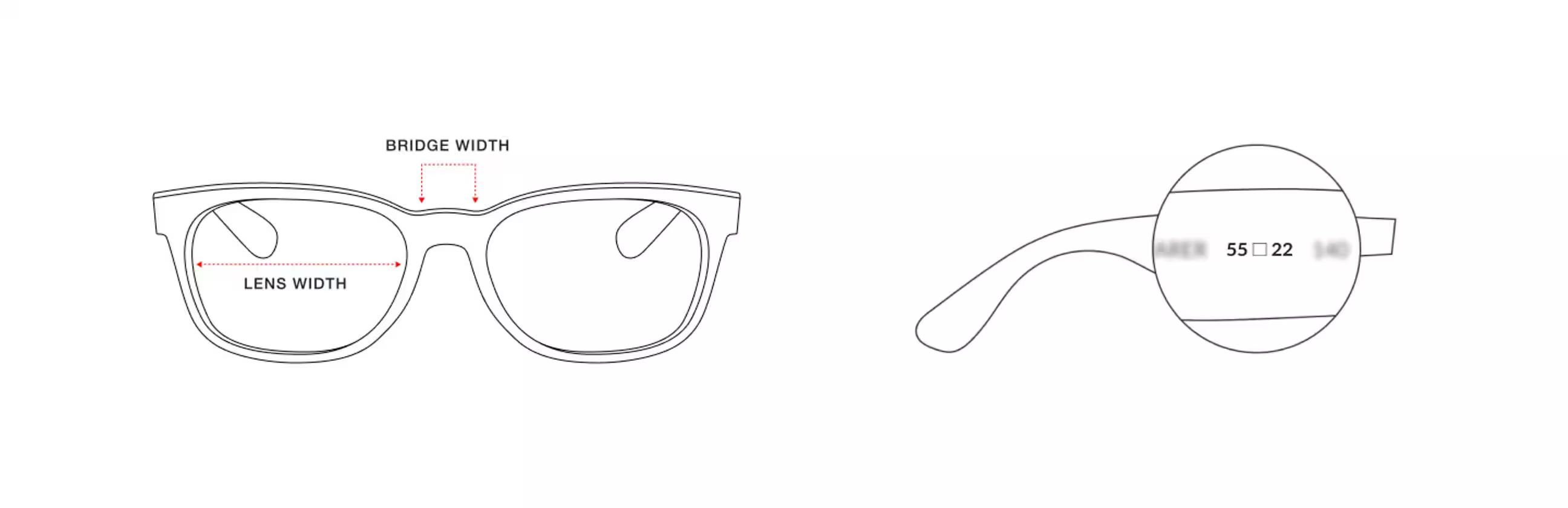
Frame size comes down to two numbers — lens width and bridge width, in millimetres, always in that order. If you've ever checked the inside of your temple arm and wondered what those tiny numbers meant, that's exactly what they are.
MEASURE YOUR FACE WIDTH
Don't have a pair with measurements already? You can measure your face using a card instead.
STEP 1
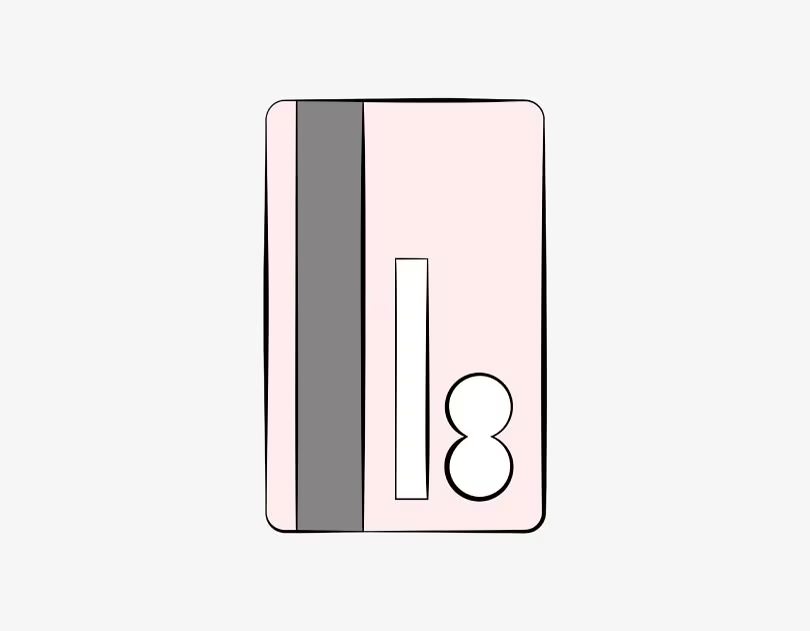
GRAB A CARD
Any standard-sized card works: credit, debit, or a loyalty card from your wallet.
STEP 2
FACE A MIRROR
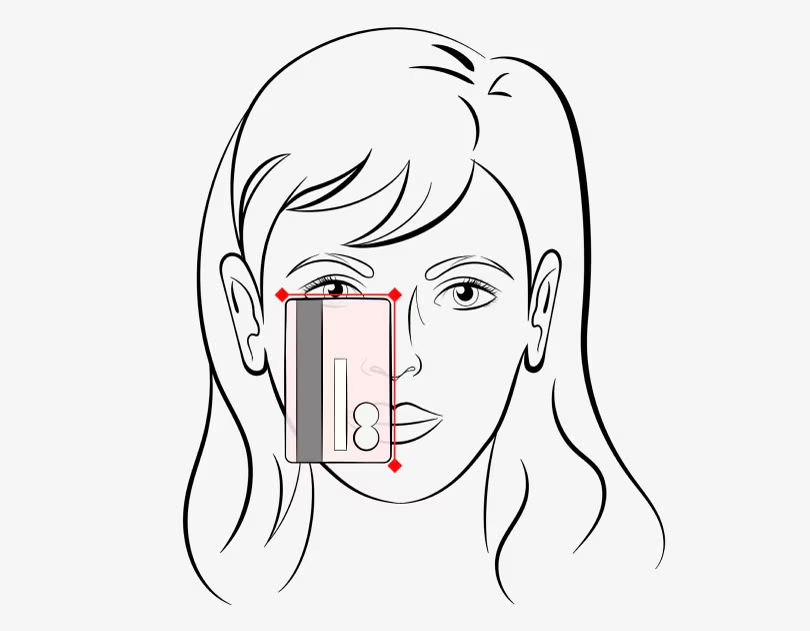
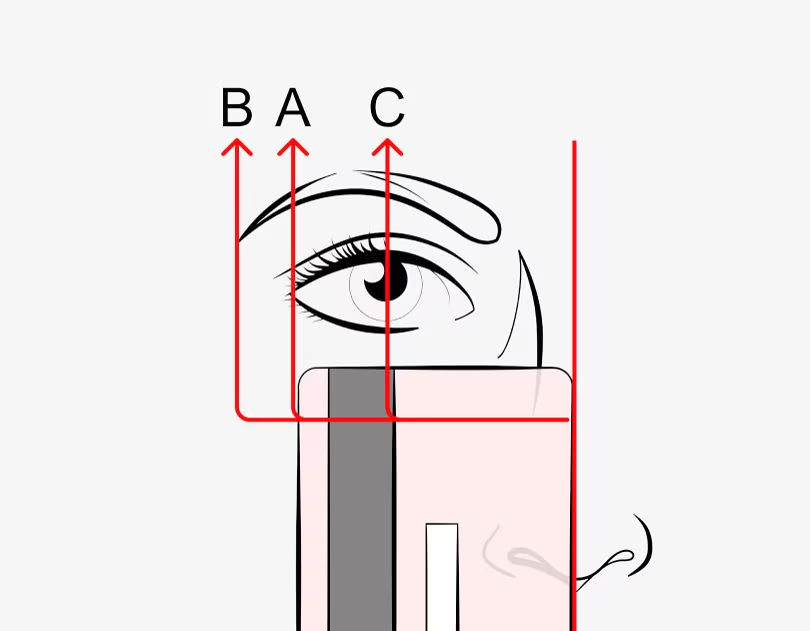
Hold the card upright and line one edge with the centre of your nose.
STEP 3
READ THE RESULT
Check where the card's far edge falls next to your eye to find your fit.
Card extends past your eye → try petite. Lines up with the outer edge → try standard. Falls short of it → try generous.
WHAT IS FACE COVERAGE?
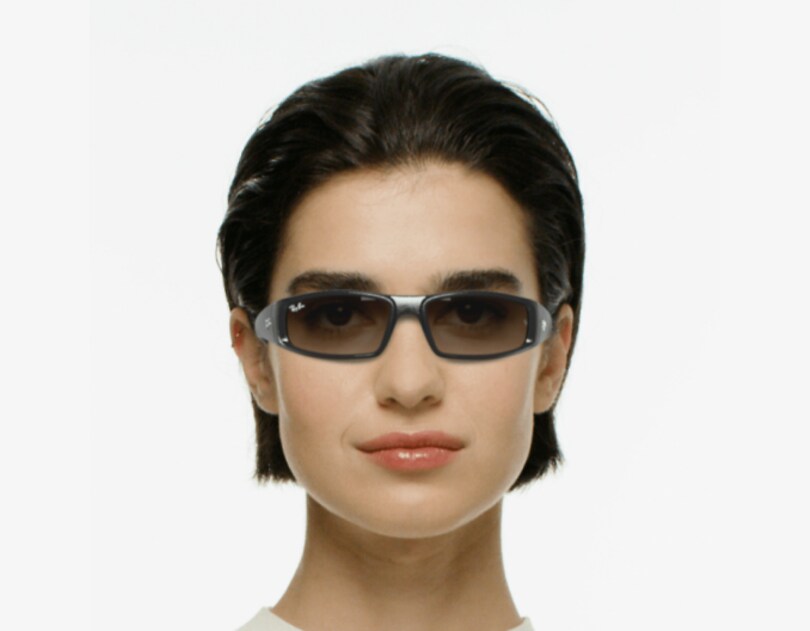
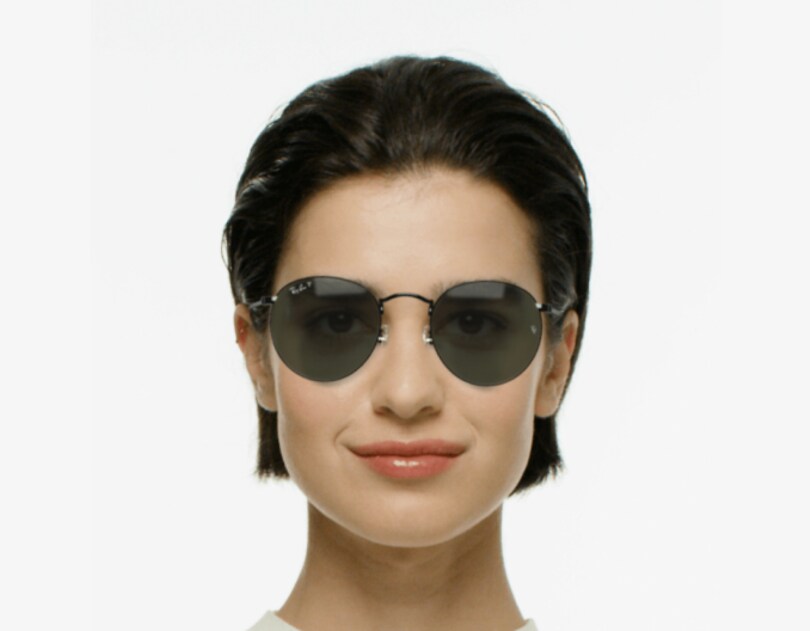
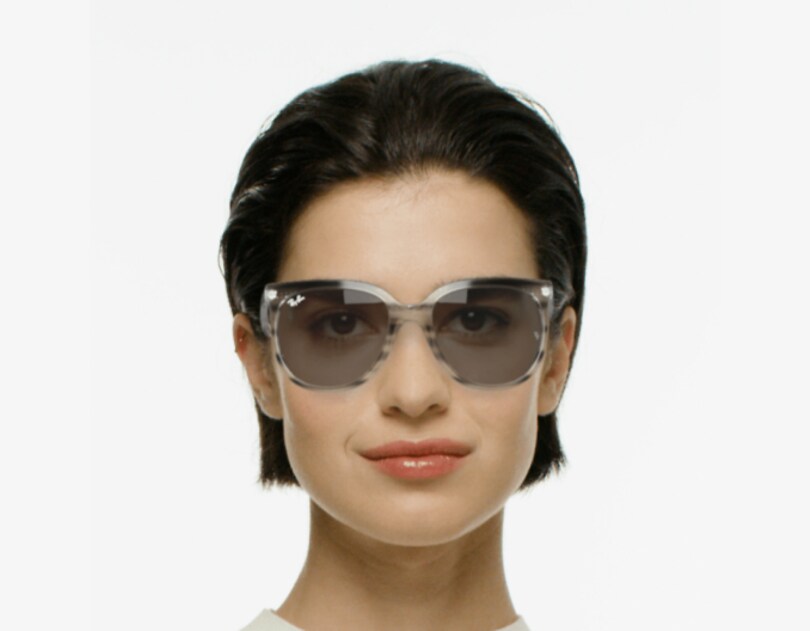
Face coverage is purely about look — how much of your face a frame covers, independent of fit.
PETITE
STANDARD
GENEROUS
Three coverage options are available, separate from frame size — they're purely about lens width:
- Petite: a narrower lens front for a more minimal look.
- Standard: a mid-width lens front that suits most faces.
- Generous: a wider lens front for fuller face coverage.
WHAT ARE THE BRIDGE AND NOSEPADS?
This covers how a frame actually sits on your nose. Four options are available:
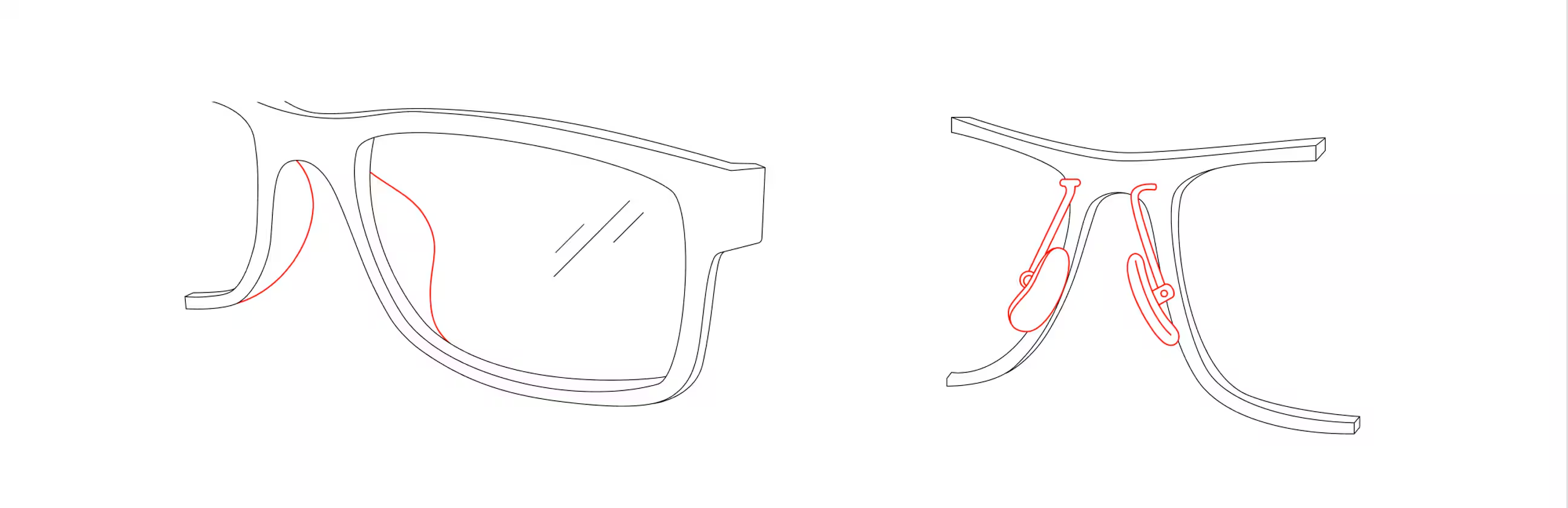
- High bridge fit: built for a higher nose bridge and lower cheekbones — a good match if your nose bridge sits above your pupils.
- Low bridge fit: built for a lower nose bridge and higher cheekbones — a good match if glasses usually slide down, sit too low, or dig into your temples or cheeks.
- Universal fit: works comfortably across most face shapes.
- Adjustable nosepads: pads you can widen or narrow to match your nose shape exactly.